Sugar: Quitting and Alternatives
The Sweet Trap of Sugar
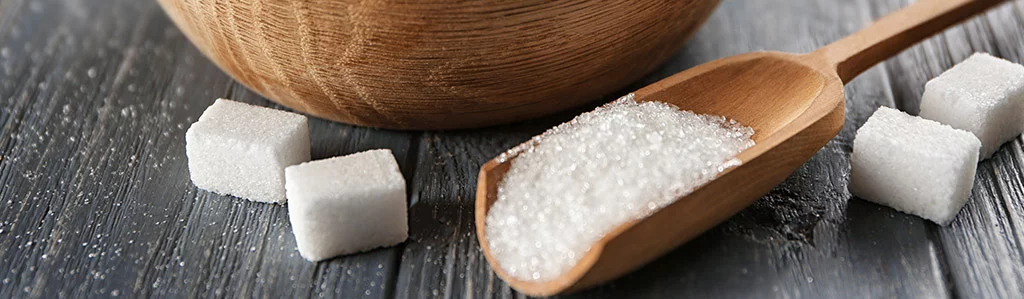
Tempting, seductive, and enticing—sugar pleases the palate and the brain’s reward center, acting almost like an addictive substance. Sweet indulgences do not only show up as extra weight. Glucose, fructose, and other sugars can be hidden energy thieves that contribute to diabetes and other health issues. Fortunately, nature provides alternatives for a healthier way out.
8 Alternatives to Refined Sugar
1. Manuka Honey
Not cheap, but beneficial. Manuka honey comes from New Zealand, where honeybees collect nectar from the blossoms of the South Sea myrtle, also known as Manuka. Its positive effects on gut health and the immune system, as well as its antibacterial and antiseptic properties, are well known and documented. The Maori have long used it to disinfect wounds and treat colds and other infections. It is becoming increasingly popular and can now be found in health food stores.
2. Coconut Sugar and Palm Sugar
Coconut sugar is handcrafted from the nectar of coconut palm blossoms, while palm sugar is derived from the sap of the flower stems of various palm species. The flower stems are cut, and the sap is collected, boiled, and dried. Both sweeteners have an extremely low glycemic index of 35, ensuring that blood sugar levels rise slowly and short-term spikes are avoided, helping to curb cravings. Refined sugar has a glycemic index of 68.
3. Date Sugar
Also called date sweetener, this is a unique alternative to conventional sugar. It is made from dried and ground dates and retains all the nutrients of the fruit, including potassium, magnesium, iron, selenium, and zinc, as well as vitamins B3 and B6. Date sugar has a glycemic index of 45-50.
4. Goji Berries
The red diamonds of the Himalayas contain polysaccharides, which are believed to destroy tumor cells, strengthen vision, combat free radicals, and support the liver and pancreas. The polysaccharides in goji berries also aid in weight loss and provide a natural sweetener.
5. Sugarcane Molasses
A byproduct of sugarcane processing, molasses retains all the valuable nutrients lost during the refining process, including iron, calcium, potassium, magnesium, selenium, and high amounts of vitamin B. There are many types of molasses (such as those derived from sugar beets or sorghum), but sugarcane molasses is considered the highest quality.
6. Stevia
Also known as honey herb, stevia grows in subtropical climates and is extracted from the leaves of the stevia plant. It is one of the best sugar alternatives. Stevia supports thyroid function, benefits the entire body, and is a proven remedy against cavities. The biggest advantage: stevia has virtually no calories. It is about 30 times sweeter than sugar.
7. Birch Sugar (Xylitol)
A good substitute for refined sugar, xylitol helps prevent tooth decay and is also suitable for diabetics. It occurs naturally in many fruits and in birch wood. Its sweetness is equivalent to that of refined sugar but with only about 60 percent of the calories. In larger quantities, however, birch sugar can have a laxative effect.
8. Erythritol
A sugar substitute that tastes and looks like sugar but contains almost no calories. Erythritol is derived from starch and is the only sugar alcohol among sweeteners that is virtually calorie-free. While sugar contains about 400 kcal per 100 grams, erythritol has only 20 kcal.
Quitting Sugar: A Difficult but Worthwhile Challenge
Sugar can be addictive, making withdrawal anything but easy. A few tips to ease the transition:
1. Avoid wheat
The starch in wheat consists of 75% amylopectin, which rapidly raises blood sugar levels. This means that white bread (glycemic index 70) increases blood sugar just as much as refined sugar. Alternatives include rice, buckwheat, millet, and corn.
2. Include protein and fat in every meal
Protein and fat provide additional energy sources that do not affect blood sugar levels.
3. Keep healthy snacks on hand
This helps prevent energy crashes caused by low blood sugar.
4. Avoid processed foods and ready-made meals
5. Eat more raw vegetables
For example, the glycemic index of raw carrots is very low (20), but when cooked, it rises to 50.
6. Drink water instead of fruit juice
The glycemic index of fruit juice is always higher than that of the whole fruit (an apple has a GI of 35, while apple juice has a GI of 50).
7. Use natural sweeteners instead of sugar
8. Eat foods high in fiber
Fiber slows the absorption of sugar from food. Good sources include oats, lentils, apples, bananas, and mangoes.
9. Eat several small meals throughout the day
This keeps blood sugar levels stable and prevents energy crashes and cravings.
10. Use blood sugar-lowering spices such as cinnamon and ginger
Two teaspoons of cinnamon per day are enough to lower blood sugar by 20-30 percent.