


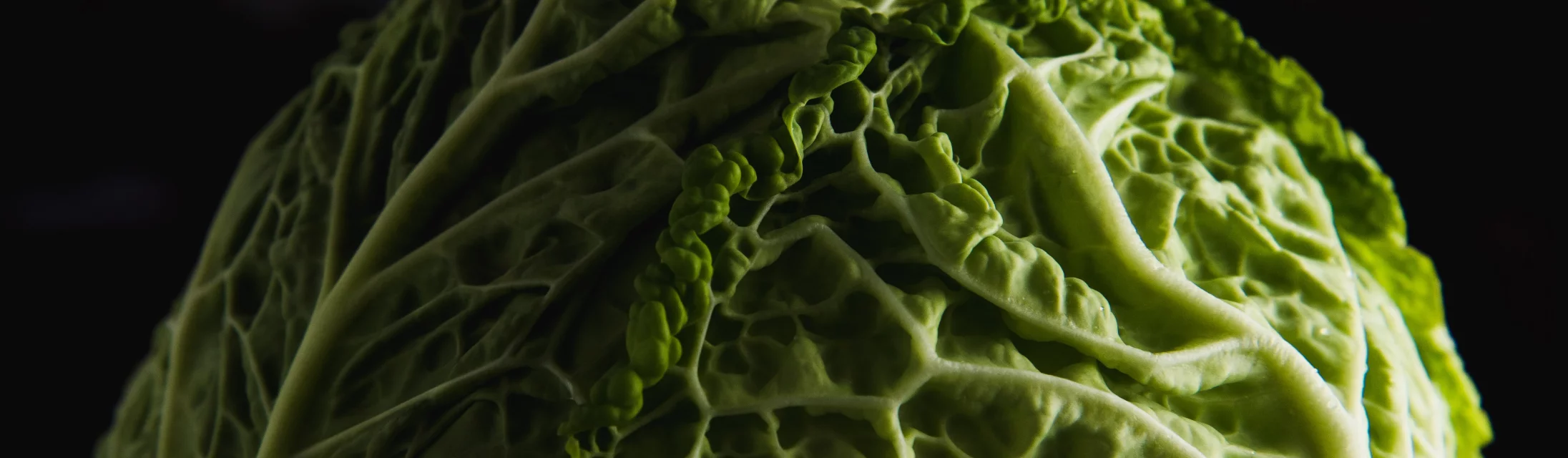
Fermentation is Making a Comeback as a Healthy Taste Experience
As gardens flourish, many gardeners find themselves overwhelmed by nature’s bounty when everything ripens at once. Fermenting is a great way to preserve fresh produce for an extended period. This natural fermentation process not only develops complex flavors but also enhances health and digestion. The microorganisms that multiply during fermentation contribute significantly to gut health. Along with vitamins, minerals, fiber, and phytonutrients, lactic acid bacteria help transform fermented vegetables into exceptionally healthy foods.
Sour cabbage, for example, is particularly rich in vitamin C and vitamin K.
- Vitamin C strengthens the immune system, has antioxidant properties, and boosts metabolism.
- Vitamin K is absorbed in the intestines and transported through the blood to the liver, where it plays a key role in blood clotting. Without vitamin K, the body cannot stop bleeding.
- Recent studies suggest that vitamin K2 helps prevent bone loss, making it beneficial for osteoporosis and dental health. Additionally, it prevents calcium deposits in cartilage and blood vessels, supporting cardiovascular health by reducing the risk of arteriosclerosis.
Ingredients
Recipe: Sour Cabbage in a Fermentation Pot
- 10 kg white cabbage
- 100 g salt
- 2 tbsp juniper berries
- 2 tbsp caraway seeds
- ¼ liter whey or dry white wine
Recipe: Mixed Fermented Vegetables
Other vegetables such as beets, carrots, and turnip are also suitable for lactic acid fermentation.
- Preparation: Peel and grate vegetables using a shredder.
- Cauliflower: Cut into small florets.
- Red cabbage: Thinly sliced.
- Hot peppers: Can be fermented whole.
- Zucchini, pumpkin, and leeks: Cut into larger pieces.
- Brussels sprouts, onions, turnips, and unripe green tomatoes: Cut into chunks.
⚠ Broccoli is not suitable for fermentation due to its sulfur content, which produces an intense odor.
Preparation
Sour Cabbage in a Fermentation Pot
- Clean the cabbage and set aside large leaves. Quarter the cabbage heads and finely shred them.
- Add juniper berries and caraway seeds as seasoning.
- Layer the cabbage in the fermentation pot, stomping it firmly until it releases liquid. Sprinkle with salt, add another layer of cabbage, stomp again, and repeat until the pot is ⅔ full.
- The cabbage should release juice—if it remains dry, add boiled water.
- Cover with the reserved cabbage leaves and stomp again.
- Pour a splash of whey or wine as a fermentation starter.
- Place a large stone on top, press firmly, and seal the pot. Ensure the water seal around the lid remains filled.
Mixed Fermented Vegetables
- Pack the prepared vegetables tightly into a glass jar, filling it ⅔ full.
- Boil water, dissolve 50 g salt per liter, and let it cool.
- Pour the cooled saltwater over the vegetables.
- Optionally, cover with a cabbage leaf and weigh it down with a water-filled bag.
- Let ferment at room temperature for 6 to 14 days, then transfer to a cooler place.
- After two weeks, the vegetables will have a mild sour taste and can be enjoyed.
- Fermentation continues unless stored in the refrigerator, which slows the process.
✅ Clean handling is crucial to prevent spoilage. Fermented vegetables last longer when stored in a cool place.
Shelf Life
- Fermented vegetables last up to four weeks.
- Once opened, store in the refrigerator.
Health Benefits
- Strengthens the immune system
- Supports heart and circulatory health
- Beneficial for osteoporosis prevention